

Watch movement types: the heart of watchmaking
The movement is the mechanism that brings a watch to life. Invisible at first glance, it nevertheless determines how it works, its precision, and its character. Whether mechanical, automatic, or quartz, each type of movement has its own specific features and meets different expectations.
Some appeal through their traditional know-how and the beauty of their mechanics, while others prioritize precision, practicality, or autonomy. Understanding the different types of movements makes it easier to choose a watch that suits your lifestyle and preferences. Discover the main movements found in the world of watchmaking.
Traditional
Mechanical movement
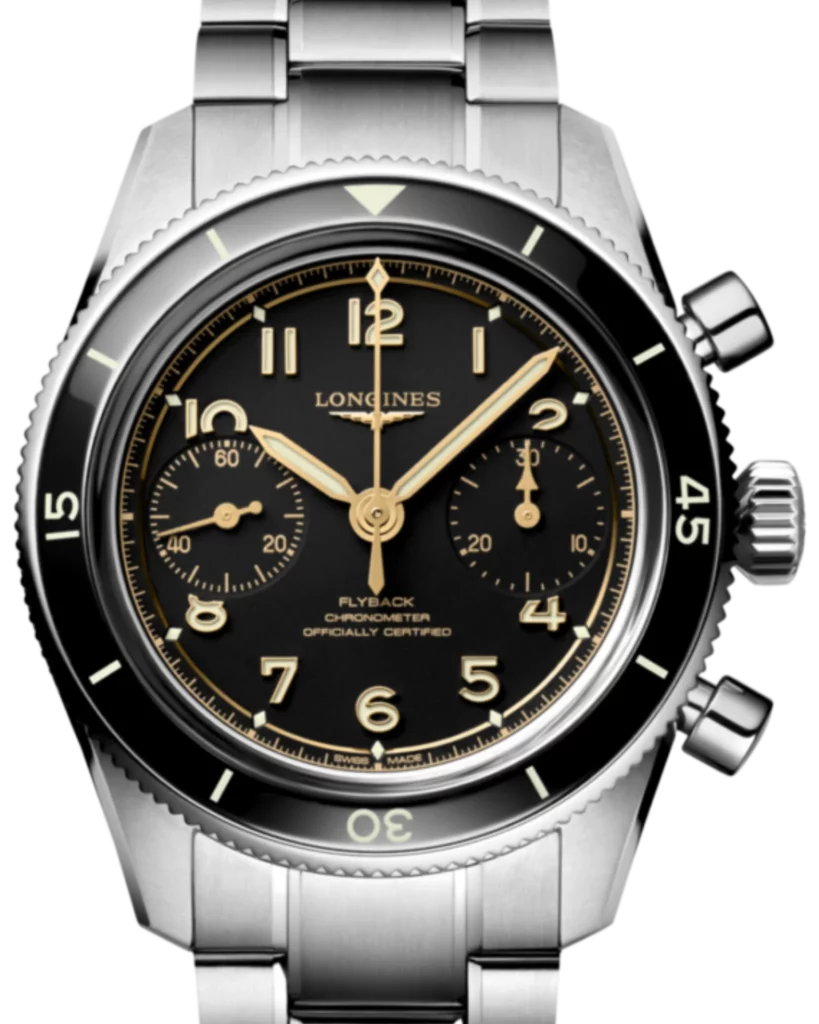
The mechanical movement is the most traditional expression of watchmaking. Operating thanks to a manually wound mainspring, it requires no battery. Each winding stores the energy that allows the watch to run for several hours or several days. Appreciated for its authenticity and the beauty of its mechanics, it appeals to enthusiasts who enjoy the daily gesture of winding and watchmaking know-how.
Automatic
Automatic movement
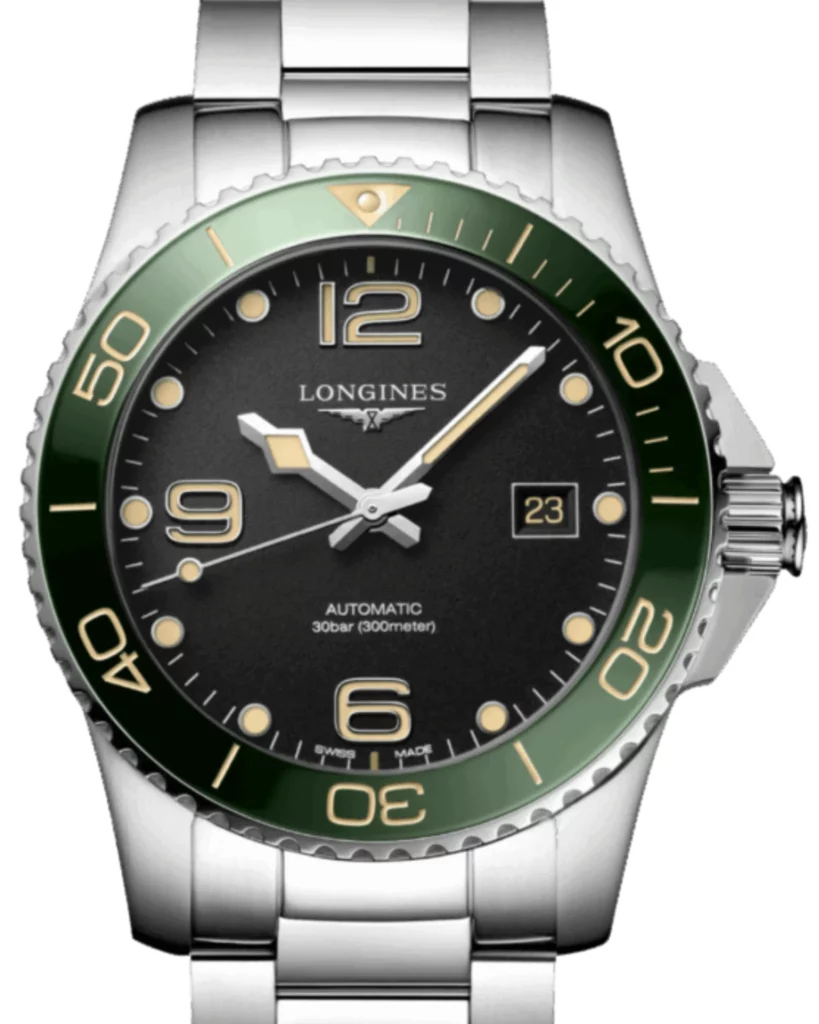
The automatic movement works on the same principle as a mechanical movement, but it is wound by the natural movements of the wrist. An oscillating weight converts the energy from everyday movements into mechanical energy, allowing the watch to run without regular manual winding. Combining watchmaking tradition and ease of use, it is now one of the most popular movements among watch enthusiasts.
Precise
Quartz movement
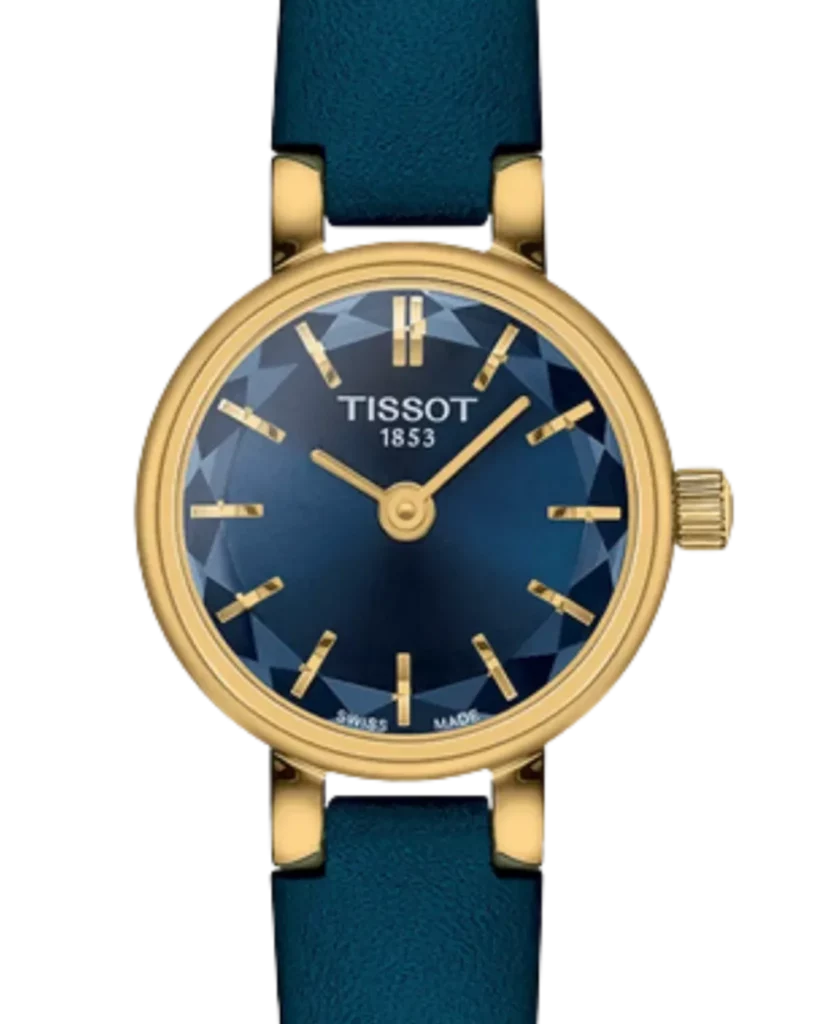
The quartz movement works thanks to a battery that powers a quartz oscillator. Renowned for its great precision, it requires very little maintenance and offers excellent reliability in everyday use. Introduced in the 1970s, it revolutionized the watch industry thanks to its accessibility and precision superior to that of traditional mechanical movements. It is perfectly suited to those looking for a practical and high-performing watch.
Innovative
Solar movement
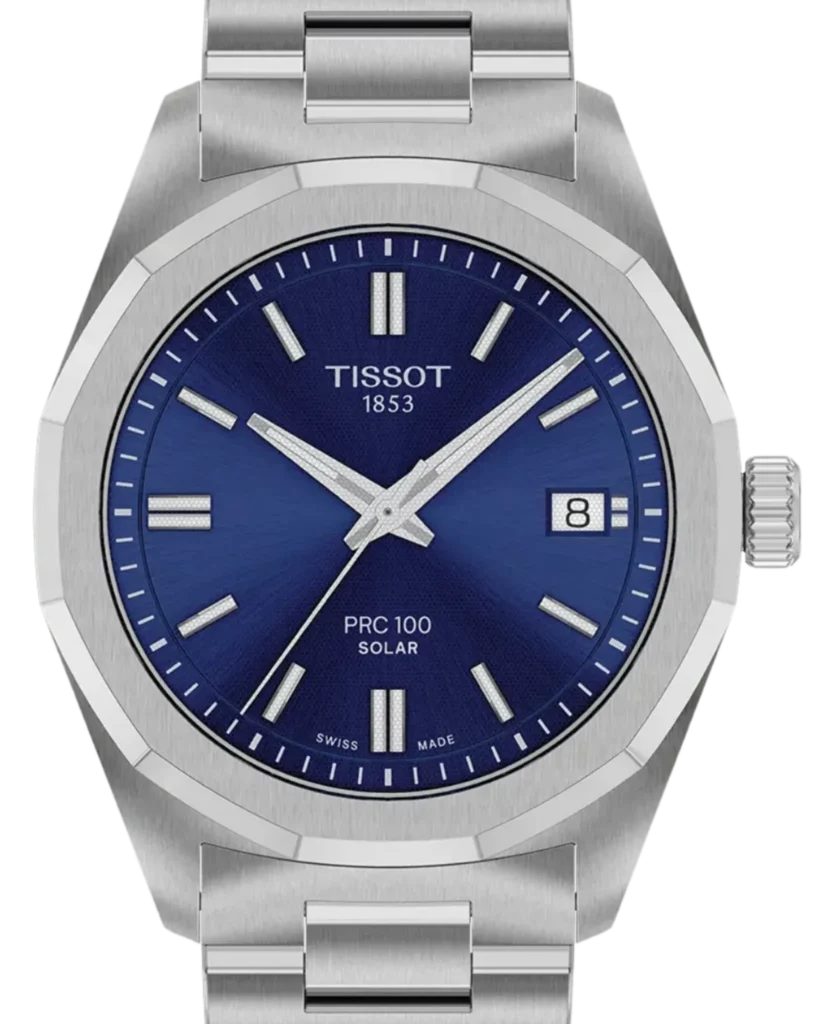
The solar movement uses light energy to power its rechargeable battery. Natural or artificial light is captured by cells integrated into the dial, offering great autonomy without requiring regular battery changes. Eco-friendly, practical, and reliable, it represents a modern alternative especially appreciated for everyday use.
Connected
Smartwatch
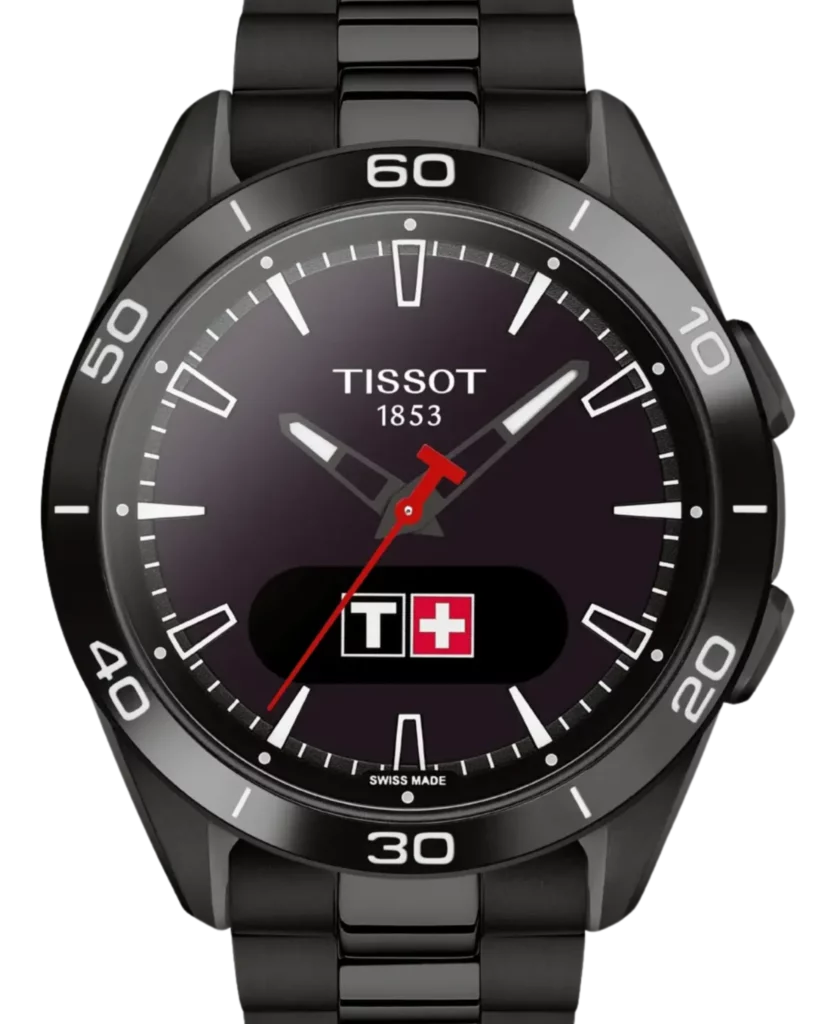
The smartwatch combines the traditional functions of a watch with modern digital technologies. Connected to a smartphone or used independently depending on the model, it can receive notifications, track physical activity, measure certain health indicators, and use various everyday apps. Versatile and evolving, it is aimed at users looking for a true digital companion on the wrist.
Which type of movement should you choose?
The Balanced
AUTOMATIC MOVEMENT
For watch enthusiasts looking for the perfect blend of tradition and everyday comfort.
The Practical
QUARTZ MOVEMENT
For those who prioritize precision, ease of use, and minimal maintenance.
The Modern
SOLAR MOVEMENT
For users looking for a watch that is autonomous, eco-friendly, and reliable over the long term.
The Connected
SMARTWATCH
For those who want to stay connected, track their daily activity, and enjoy advanced features directly on the wrist.
